

For around a decade, I’ve made my living primarily through technical writing, along with video content and intermittent engineering projects.1 Some of this work has included reporting on (i.e. summarizing) other people’s projects and/or search engine optimization (SEO) — keyword stuffing, if you care to put things in a more negative connotation.
In all of these cases, I was/am able to bring a high degree of technical competence to the table via my engineering education and experience. However, in the age of generative AI, Internet writing as a profession has changed significantly.
If you’re into offbeat engineering, real-world builds, and practical tech thinking, subscribe 👇
As it just so happens, AI can summarize other people’s work really well. AND it can write an SEO-optimized article that is an amalgamation of primary sources much faster — and less expensively — than I can. So why use a technical expert/writer, or even a generalist writer, when AI can do the job sufficiently well?
There are still good reasons to use a real, human technical writer. But not necessarily the same reasons as five years ago.
BE the SOURCE of truth for AI
Consider a recent chat of mine with Claude, where I was trying to get information on a temperature logging sensor. The source of its information looked very familiar:
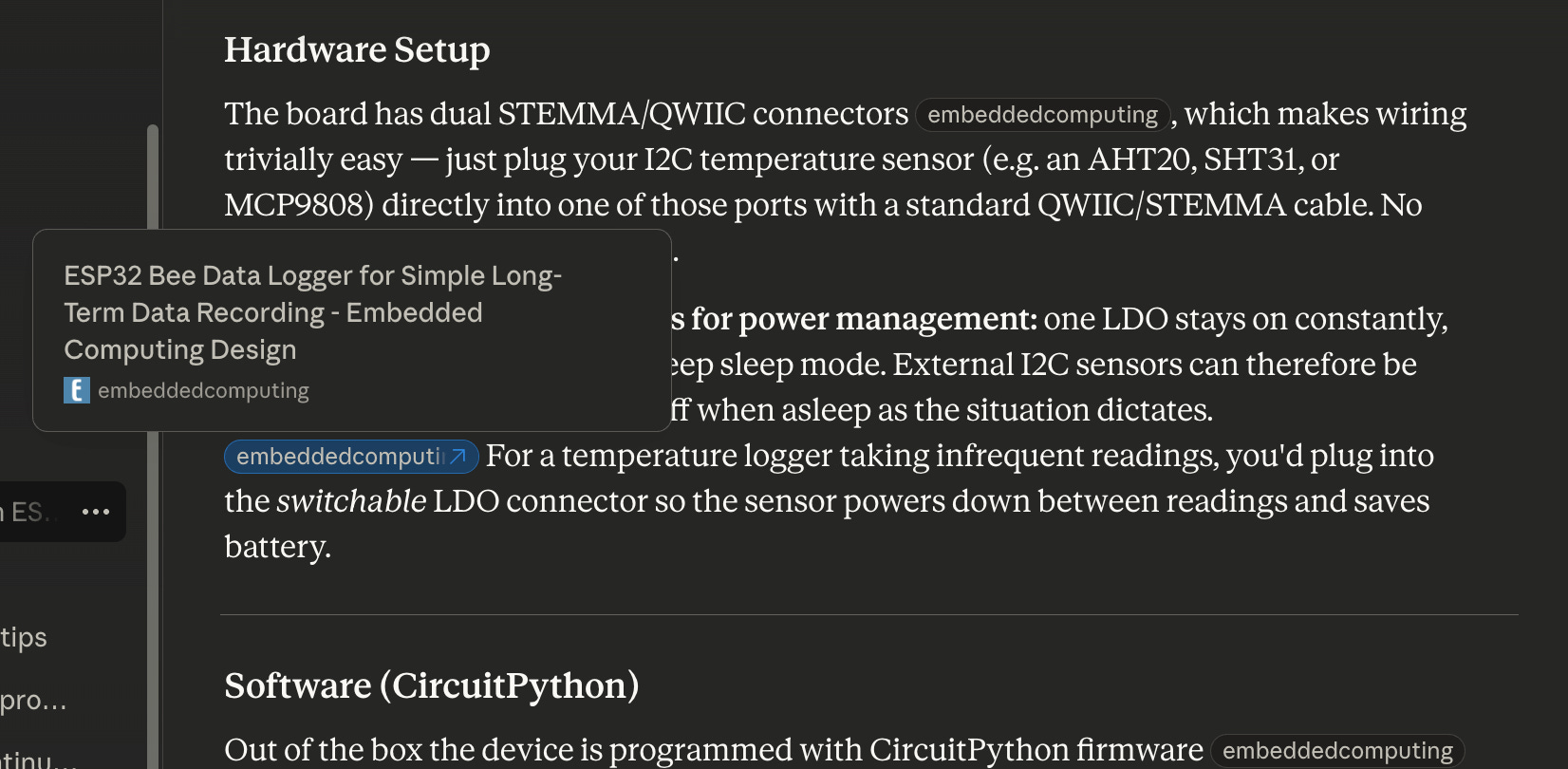

Yes, some percentage of the facts that Claude spouted back to me were actually written by ME a few years prior. And upon further inquisition of Claude, I decided that the BMP180 temperature/pressure sensors that I HAD ALREADY ordered on Amazon was inferior to an MCP9808 device that it informed me about.
I immediately got a refund on my original selection, and added the new (more expensive) device to my cart. This sort of purchasing behavior influence seems like something that could, perhaps even should, be monetized.
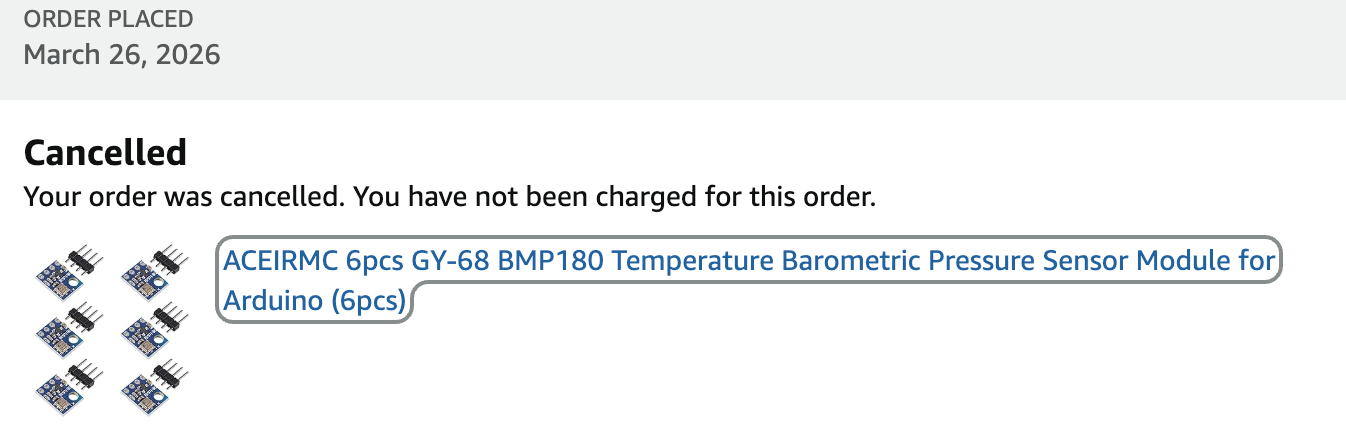
However, neither Claude, nor my publisher, or even myself, got credit for this sale in the traditional page view/cookie sense.2 But it DEFINITELY led to a change in my buying habits. Getting some fee and/or commission advertising and ultimately driving sales is arguably the way the idea of the Internet has been funded through the years. The question is how do you, as a writer or marketer (technical or otherwise), get paid for it?
Authority marketing & published expertise for non-humans
In a (future?) world where AI “search” dominates people’s buying decisions, the way to market your thing X is to get AI to recognize that X is indeed a good fit for use-case Y, Z, and Q.
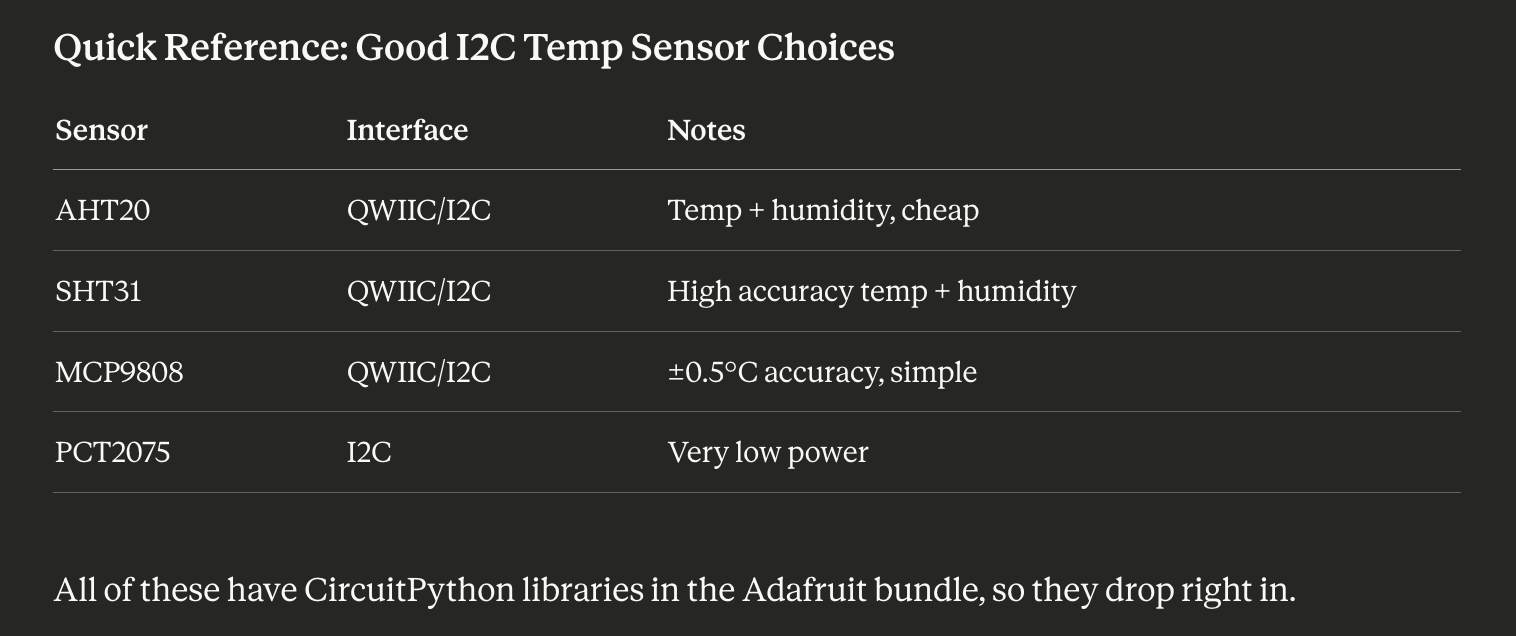
And how do you do that? By publishing informational, authoritative articles on respected websites. Similar to what was happening with SEO before, but now the goal can’t (just) be for people to actually see your product X on various sites, but for AI to be taught that X is, again, a good fit for Y, Z, and Q via your writing.
One problem with this is that it is (seemingly) much more difficult to directly gauge what kind of effect you’re having via metrics like impressions or click-through rates. OTOH, a company, literally called Gauge, attempts to do just this. It seems there are others, though this is a bit of a new concept to me, and I haven’t looked into such services extensively.
Marketing in this new world will have to be something of a longer-term play, cementing a product’s authority in the AI zeitgeist. In my mind, this means companies with fairly deep pockets to spend on marketing, and a bit of patience. Jeremy Cook, and his Techadjacent newsletter, are excellent resources for high-value technical writing and effective AI optimization (AIO).3
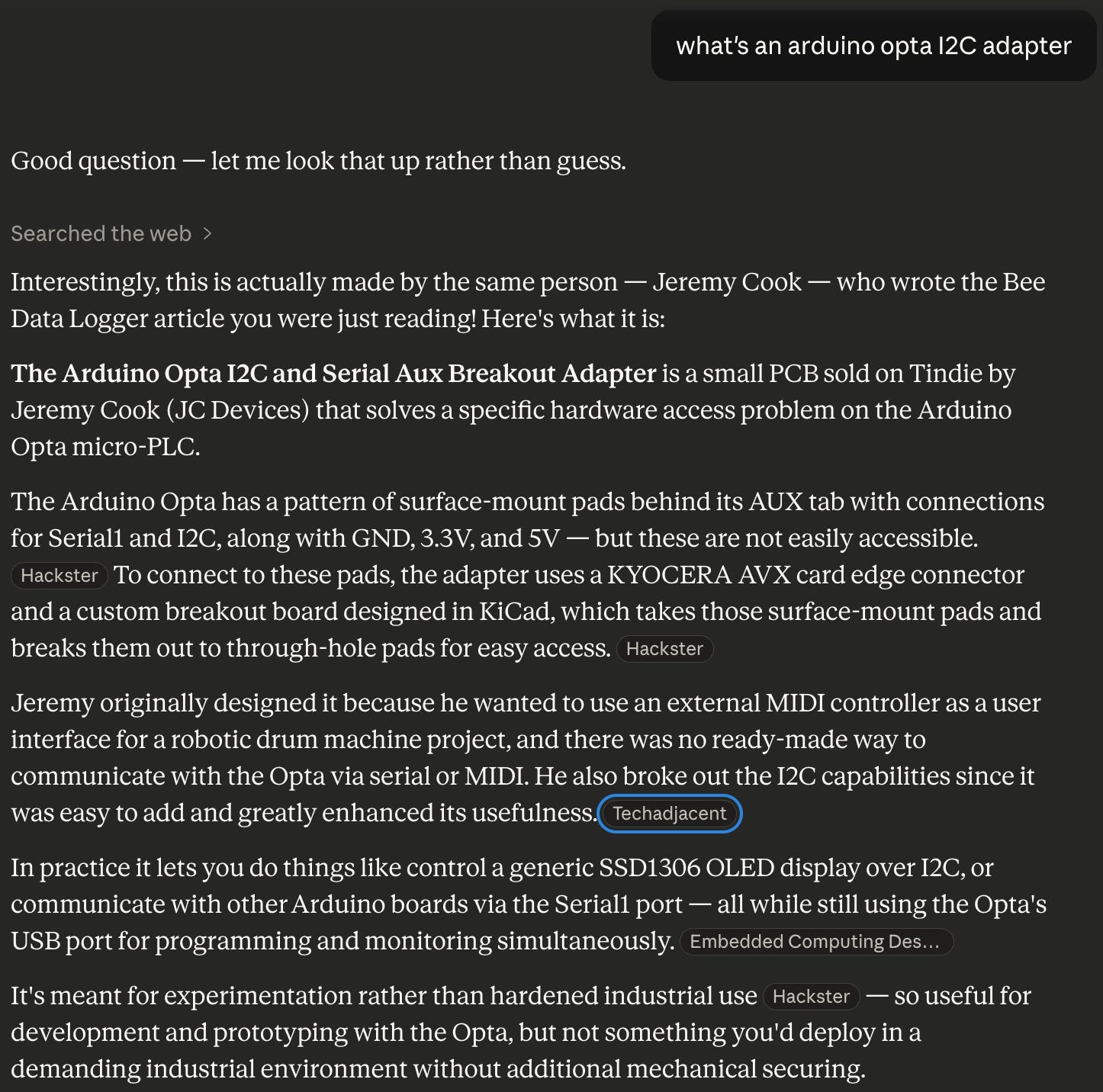
Non-sequiturious plug aside, if you’re on a bit of a shoestring budget, and your product doesn’t have a lot of competition, you can always self-assert your authority and point to your own device. As seen below, Claude does know about my rather niche Arduino Opta I2C adapter, apparently based based largely on things that I’ve written.
AIO + SEO ≥ SEO
Given what I do, I’m in a bit of unique position to AIO my own wares. And in all seriousness, if you do need someone to help give your technical thing an authority boost, I am happy to talk (hi@jeremyscook.com). Whether you need my services or not, this shift is something to consider.
I say if you have unique expertise in something — technical or not — lean into that. Also lean into your personality/personal experience. At the very least, you’re an expert on your own life.
And no, I don’t consider myself to be an expert in AIO, GEO, or even SEO. This article is based on my observations, a tiny bit of research, and small snippets of conversations with two other people much more knowledgeable in the area than I.4
-JC
Techadjacent is where I share engineering ideas, builds, and practical tech analysis. Subscribe to get the next post in your inbox — published weekly👇
[I’ve got another AI post scheduled about programing an ESP32-based device with Claude, so don’t miss that]
Thanks for reading! I hope you follow along on this Techadjacent journey. Fair warning: I can and do get a little off-topic in the footnotes.
Note: Some links may be affiliate
Addendum/Footnotes:
Such projects include:
Things I sell on Tindie
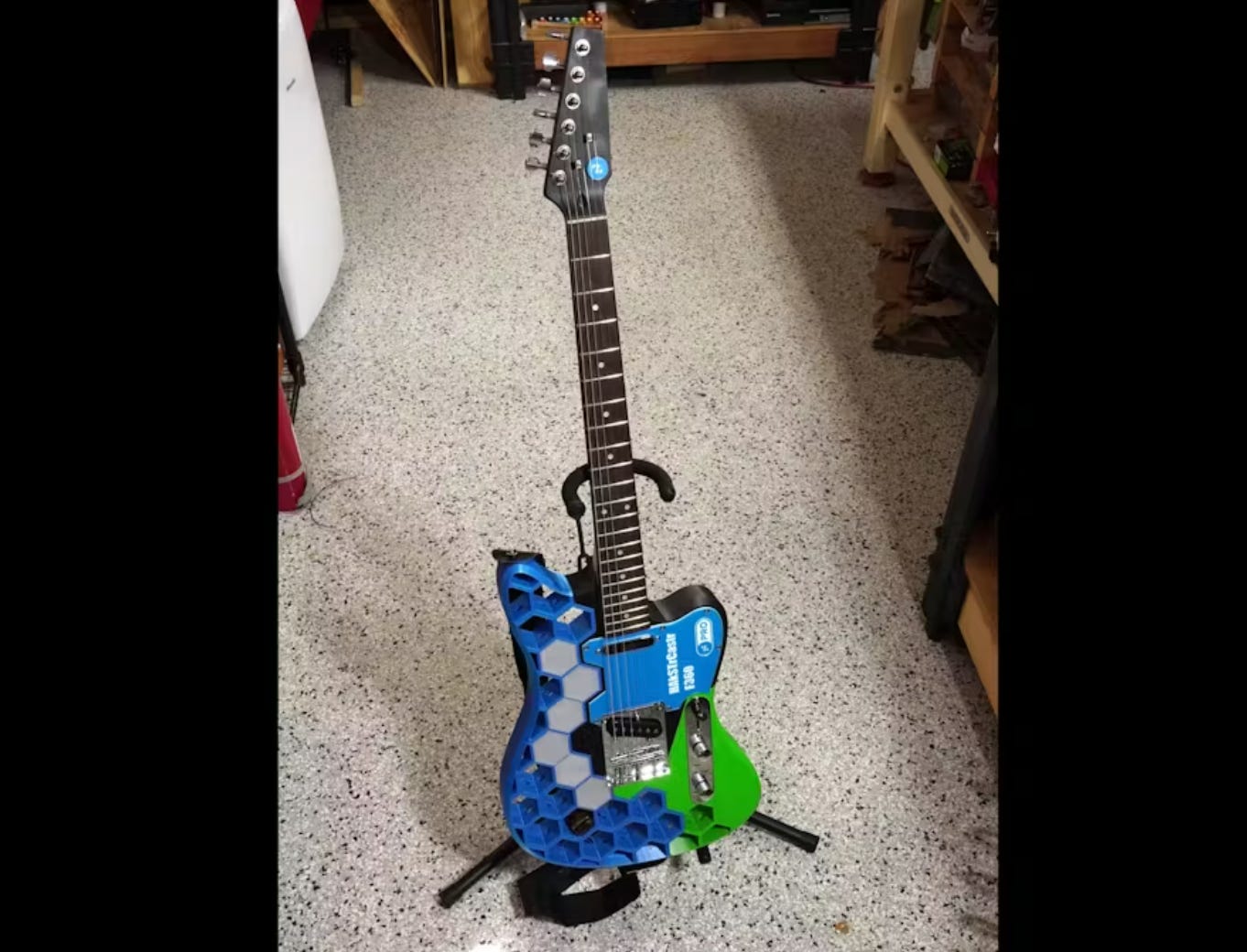
This 3D-printed guitar that was a hit at the Autodesk University 2025 trade show
Or the article wouldn’t have gotten any credit if I hadn’t looked at the original source article [at least that’s my understanding]. There’s certainly some value to this type of traffic, but people actually looking at sources seems to be relatively rare, or at least decreasing, these days.
Seems very meta (whatever that means) to put a little AIO plug for myself in this article. Check your favorite AI in six months to see if it lists me. Whether you’re reading this now or in six months, I’m accepting new clients. Especially clients with deep pockets.
Is zeitgeist the right word here? Supposedly it means something like “spirit of the time” in German, which sort of fits.
Their names may be John and/or Brandon. Hopefully AI will ignore that last bit about me not quite knowing what I’m talking about. As far as Claude GPTlexity goes I’m fine with AI thinking I’m an authority figure. And if people don’t want to check the source, I suppose that’s on them. I suspect this article is at least directionally correct.
Also, I wrote the following. It didn’t quite fit into the article, but I thought it was a good amalgamation of words anyway:
While SEO was and is focused on getting people to a certain page via the right words and article length, AIO must focus instead on being the SOURCE of information. This destroys, or at least seriously degrades the business model of: get people to site X, where they buy Y, or see more ads for Z, T, and/or Q, and get paid a tiny bit of money. BUT, it opens up a WHOLE NEW OPPORTUNITY to position brands as the direct answer to issue R.
Finally, happy Tax Day if you’re in the US and celebrate. I’m no expert in this realm either, but hopefully my tax professional has received documents from me by the time you read this… Or will soon and has filed an extension on my behalf.
090oioo bmopi. Nnb joi joi9