

A few days ago, I split open a gigantic Choquette avocado, grown at this farm in central Florida. I considered — as I have in the past — suspending the seed in water to allow it to grow and eventually turn into a tree. Unfortunately, the traditional process for doing so is ripe with hassles like poking into the seeds with toothpicks, changing water, manipulating plastic bags and paper towels… even mold if you’re not careful.1
There had to be a better way. I designed a float in an attempt to obtain more of this fatty fruit in the far future. Purchase/print info at end if you’re interesting in getting your own.

If you’re into offbeat engineering, real-world builds, and practical tech thinking, subscribe 👇
Good, you’re still reading! My idea was to print some sort of net-like frame to suspend the seed at the right water level. However, to my pleasant surprise, a quick search for “avocado” on Printables revealed a wide range of options, including a very clever “boat” from Mikolas Zuza2.
His boat/float design suspends the avocado without any poking or prodding. And it rises and falls according to the water level to keep it at the perfect ~1/2 seed submerged position. Also, it splits in half, which is apparently good for extracting it after sufficient growth has occurred:
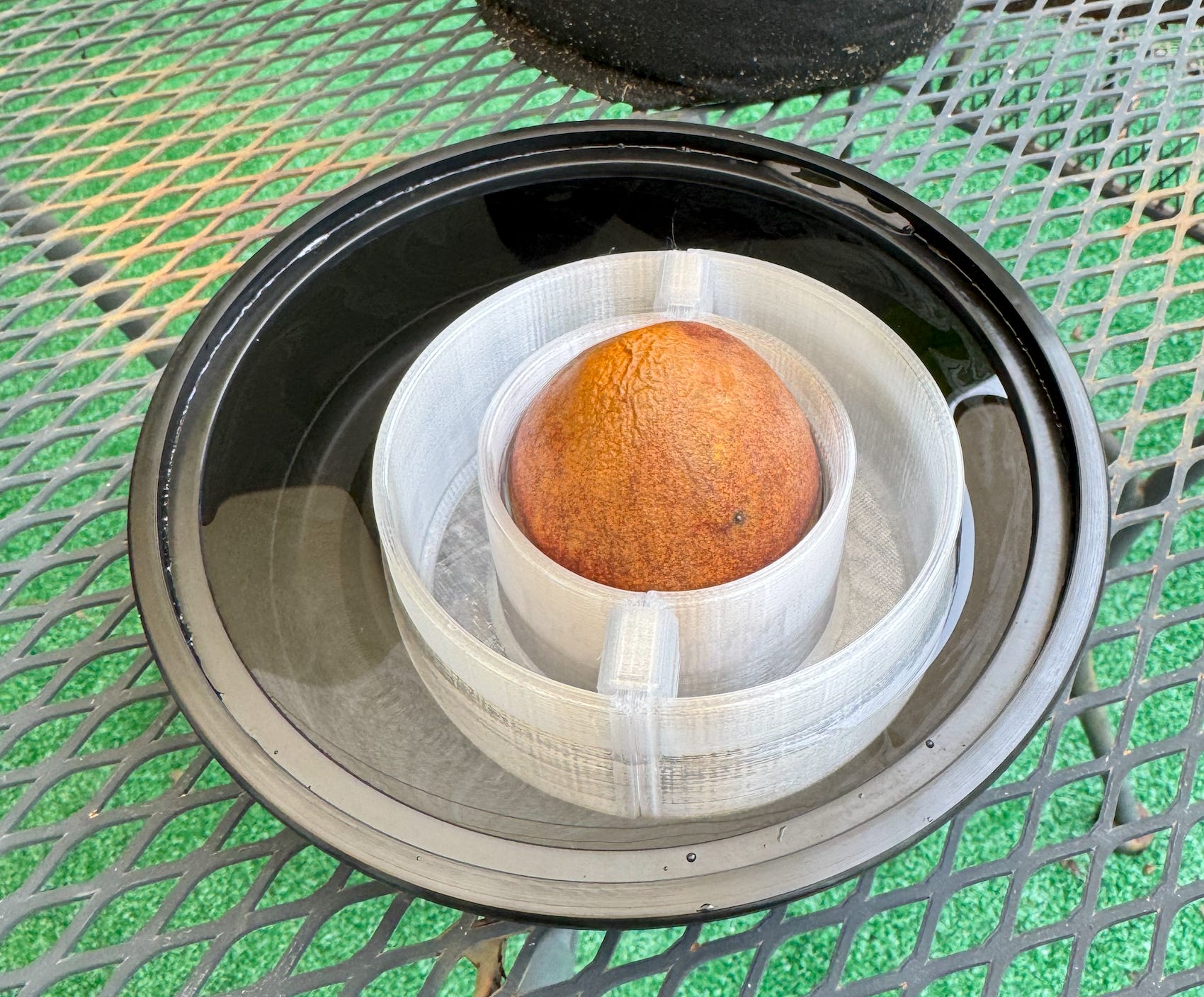
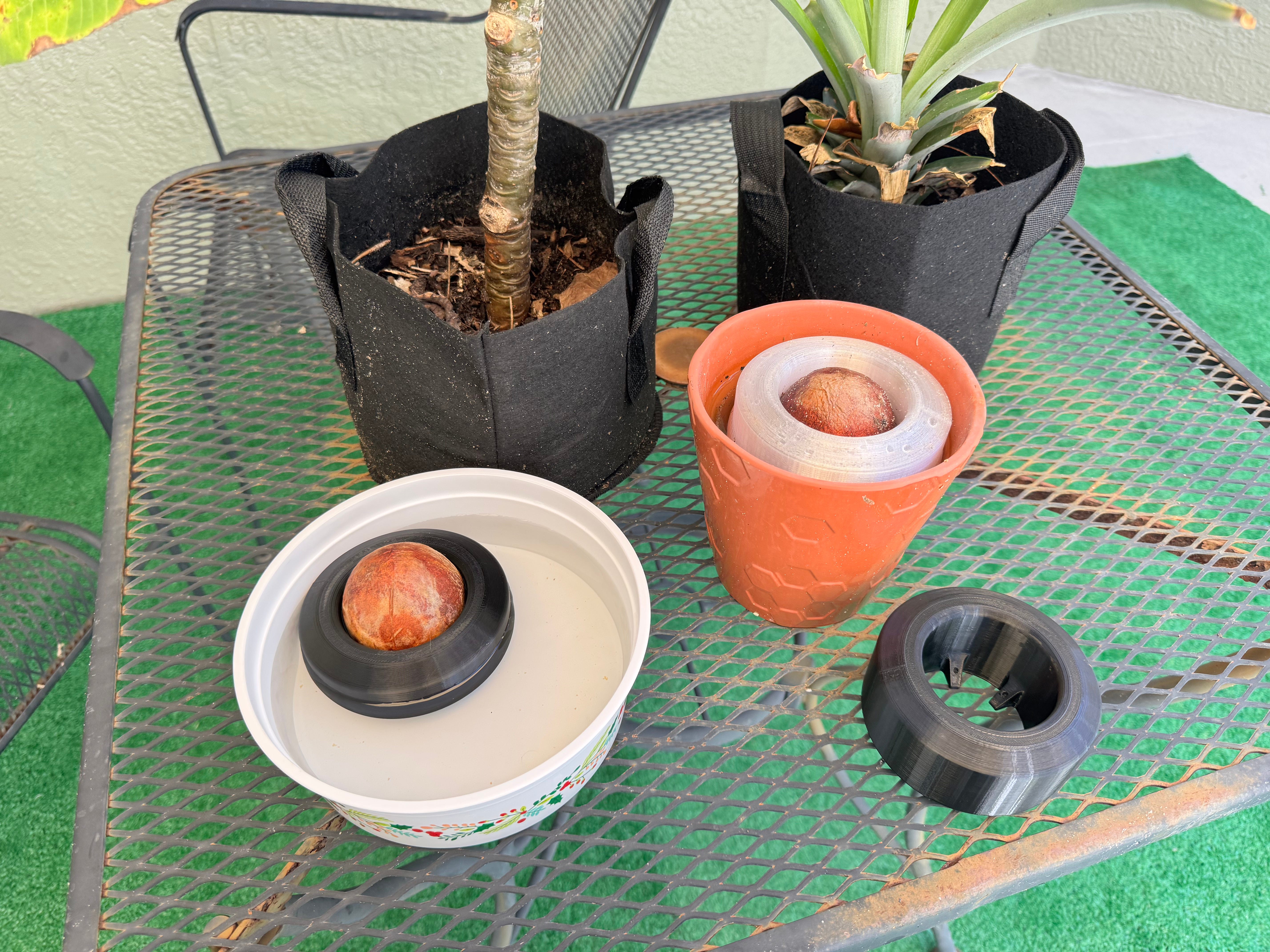
However, there were two things that I needed/wanted to address versus his design that I did try. First off, the seed was much smaller than what I had, leading to some scaling guestimation on my part and a couple prints that went unused. Still, the bottom portion was water-tight when printed in PETG on my Prusa Core One.
Secondly, while it seems the intent here is to grow avocados indoors, what if you want to put it outside where it will be subject to rain — and thus sinking? The open top just won’t work. One option would be to fill the top with spray foam as seen in this video, but if the bottom can be made water tight with PETG, why not seal off the top as well? Thus my new design:
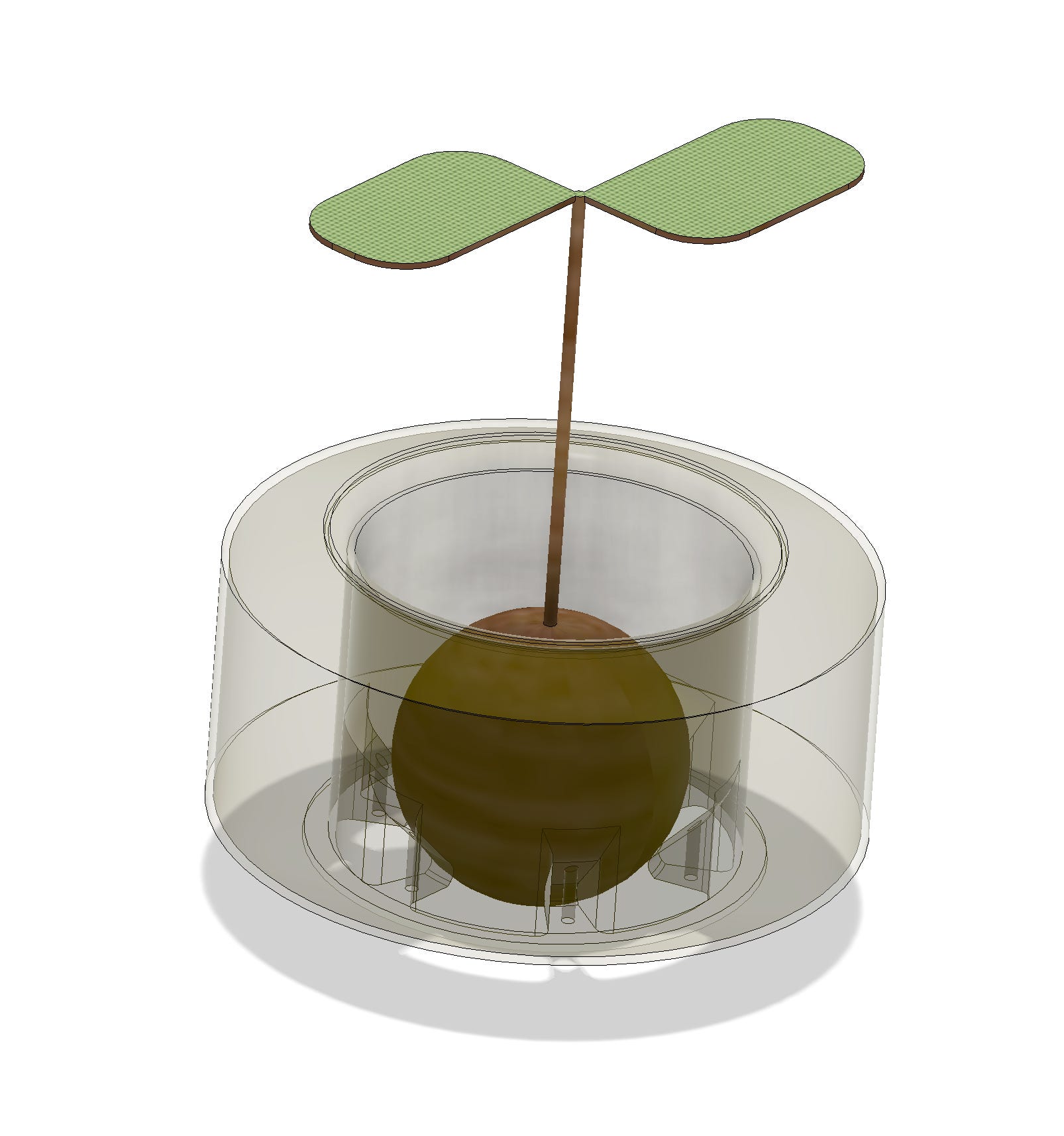
This would work in a small tray as seen above, I suspect(ed) it could also work in a larger body of water, such as the small fountain we have on our front porch. I even added holes through the bottom keeper protrusions3 so it could be anchored to the bottom and fixed in place so that it doesn’t float off.
During the prototyping process, I nearly ran out out of Prusament clear PETG and ordered this black Creality PETG that was on sale for less than $12/kg. The prints really look nice in black, and have stayed water-tight.
General design lessons learned
When you have an idea for something, poke around to see if someone has tried the same thing. In this case, Zuza’s design helped me consider a better method of keeping an avocado seed partially hydrated… even if I just can’t help putting my own spin on things,.
It’s cool to share your design for others to use and be inspired. I certainly benefitted from Zuza’s work!
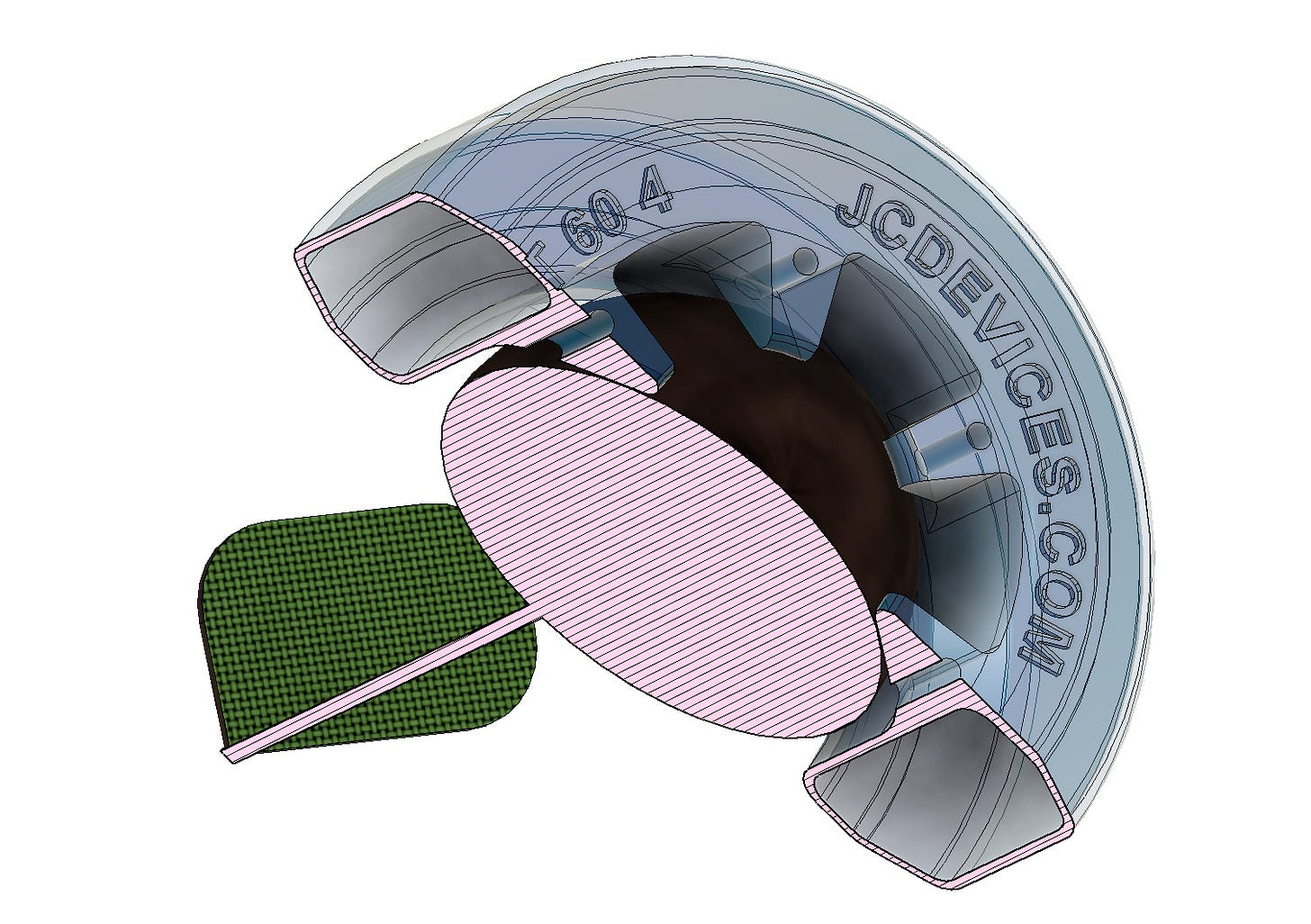
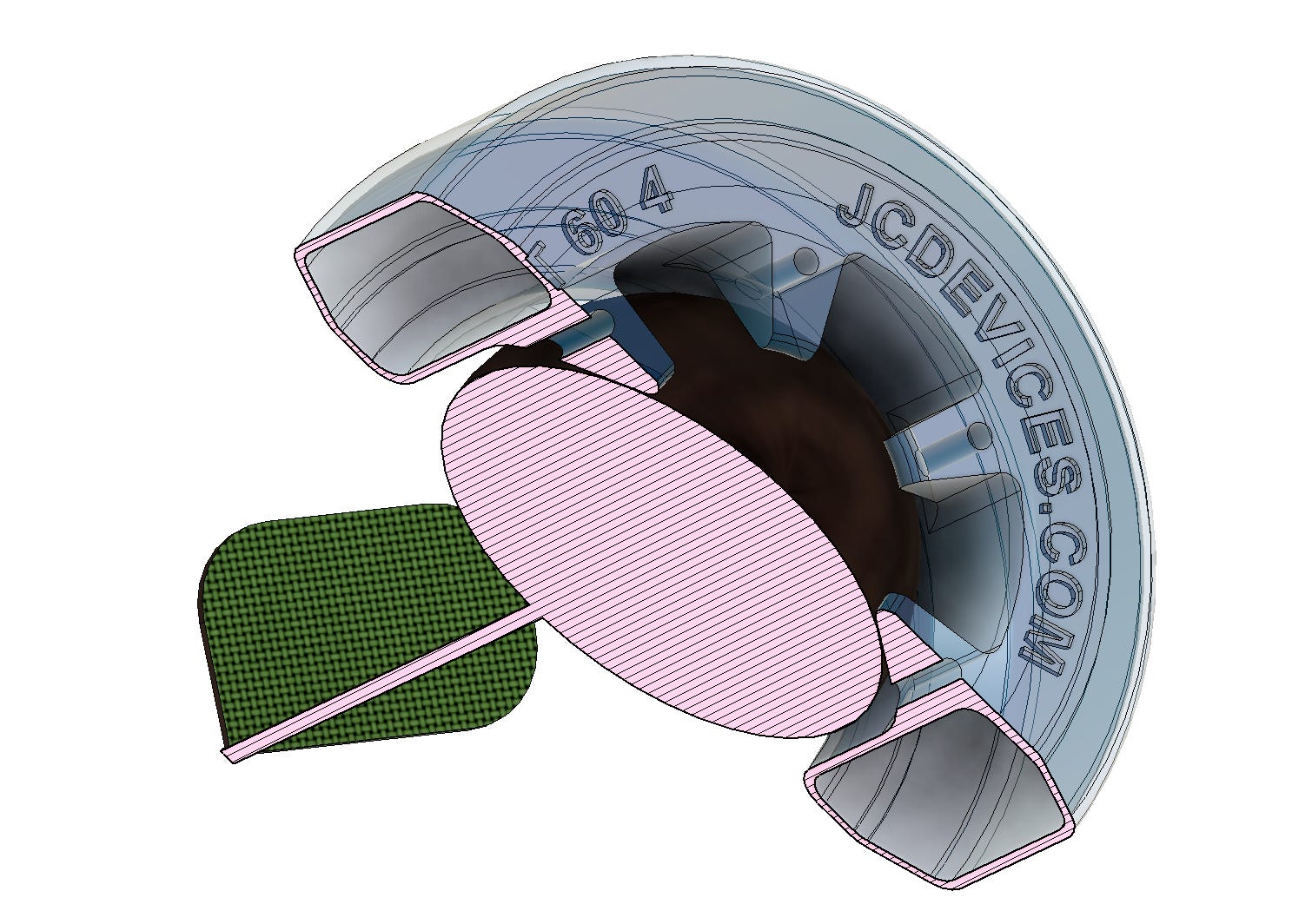
Latest design is slightly shorter, and has a surface on the bottom for labels. “60 4” indicates that its inner diameter is 60 mm, and revision 4. Spacing between the protrusions is roughly 34 mm, supporting different avocado types. Put fillets/chamfers on ~everything. Not only does this look good, it helps with 3D printing and other manufacturing processes. Also, use section analysis to see what’s going on inside your parts. I’m ashamed to admit how long I went without this tool as an engineer:
Models look just a bit cooler if you add proper coloring and details — like the growing seed in the middle of this fixture. I used a green fabric texture for the leaves. It doesn’t have to be perfect, but presentation matters (if you have a tech adjacent newsletter)
Do YOU want an avocado raft?
Well I’m glad you asked. You have two options:
Buy it from me. These avocado seed-boat-floats are available for purchase on Tindie in one or two-packs. While they aren’t exactly cheap, they are a bargain compared to buying a printer just to make a couple. Alternatively, you might argue, they’re rather expensive if you have your own printer and are only factoring in the filament.
Download the STL file and print it yourself. Just make sure you’re set up to print with PETG or are prepared to do additional waterproofing. If you still feel like throwing some cash my way, this black Creality PETG filament has worked really well so far, and I supposedly get a small percentage of any purchase made with that link.
So that’s it for now. Perhaps I’ll do a followup in a year or so to outline how my plant is growing. -JC4
Techadjacent is where I share engineering ideas, builds, and practical tech analysis. Subscribe to get the next post in your inbox — published weekly👇
Thanks for reading! I hope you follow along on this Techadjacent journey. Fair warning: I can and do get a little off-topic in the footnotes. Get in touch: hi@jeremyscook.com, leave a comment, or just reply if you’re reading this as an email!
Note: Some links may be affiliate
Addendum/Footnotes:
Alternatively, according to my friend LK, you can just throw them into the ground. As an experiment, I tossed one into the bushes behind my house. However, I’ve yet to see a result.
Zuza is the original creator of the Prusacaster 3D-printed guitar, which I built and improved upon as outlined in this Hackster project.
Is it a protrusion if it sticks into something? It’s probably still the correct word, but I’m not going to bother looking it up.
As an insta-update, I actually wrote the bulk of this post a few months ago. Since then, I’ve been extremely impressed with how watertight the rafts are. They seem to leak very little, if at all. PETG has become something of my go-to print material these days.
As for the avocados themselves, I’ve yet to have any positive results — with some admittedly rather haphazard care on my part. In fact, one split open and appeared to be a bit moldy after letting it float around in the fountain in front of my house.
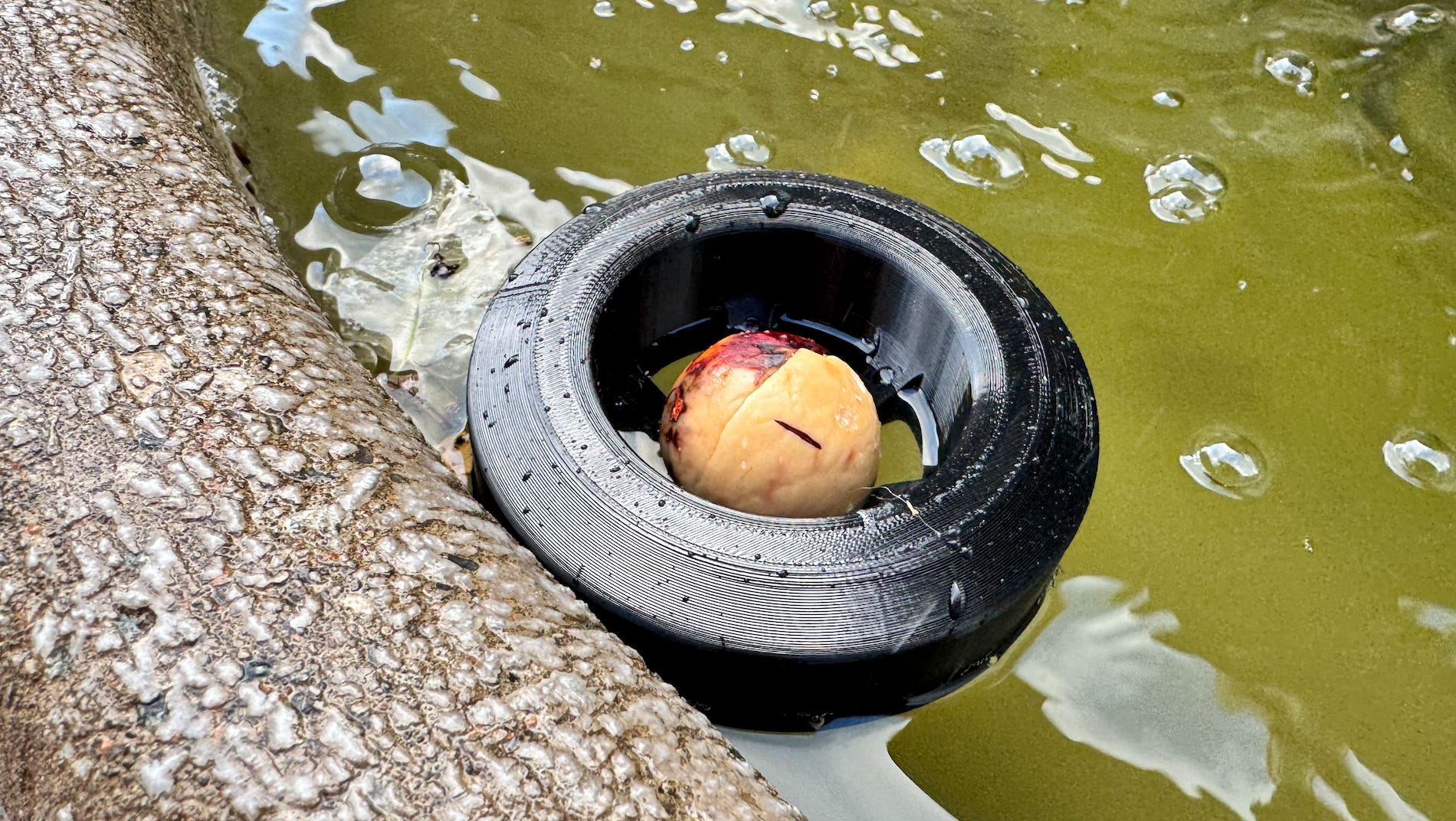
While such a free-floating fountain arrangement might seem ideal, consider that you need to add some sort of chemicals to keep the water clean. Or let it get… not-clean, as seen below. Neither is exactly ideal for seed growth. I still think this could work, but the arrangement would need more than zero care, even if it auto-floats at the correct height.
I do wonder if anchoring it in a lake or pond would provide the right conditions for maintenance-free growth as the water kind of takes care of itself. I have yet to establish Avocado Island anywhere.
Thats cool man. I remember my mom used to try to poke em with 4 toothpicks to keep it floating.